
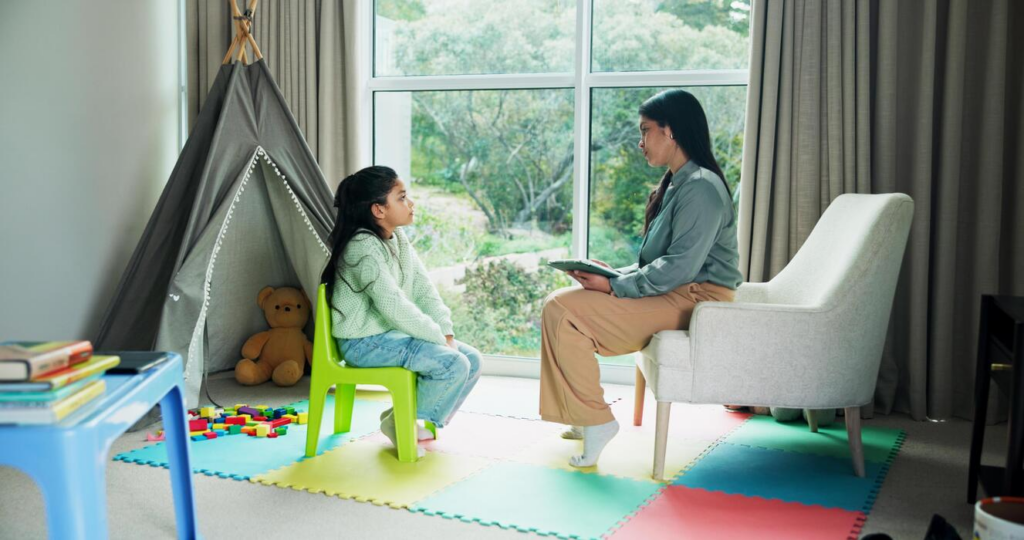
When you’re parenting a child with autism or ADHD, the days can be full of care, advocacy, and routines that rarely pause. Many Long Island families reach a point where they do not need “more willpower,” they need a safe, trusted break that doesn’t disrupt their child’s comfort or structure.
That’s exactly what respite care Long Island families often look for: short-term, reliable support so a parent can step away to rest, handle life responsibilities, or reset emotionally, while their child is supported at home in a calm, consistent way.
This guide explains what local respite care is, why it can reduce caregiver burnout, and how to set it up so it truly helps you and your child.
What respite care means for Long Island families
Respite care is temporary support that gives the primary caregiver time off while their child is cared for safely. For many families in Nassau and Suffolk County, that support happens at home, where routines are familiar, and transitions are easier to manage.
A good respite visit is structured and thoughtful, not random. It should feel like a continuation of the child’s day, not a disruption.
SpectrumCare Companions offers in-home respite support focused on safe companionship, comfort, and engaging activities at a pace that fits each child through its respite care services on Long Island.
How respite care reduces burnout for Long Island parents of kids with autism and ADHD
Burnout usually builds quietly. Parents keep going until sleep, patience, and emotional bandwidth start to run low, and then everything feels harder, including things that used to feel manageable.
Respite can reduce burnout because it creates planned recovery time, not just emergency relief.
A short break can help you:
- Rest and regulate your own stress response
- Return to routines with more patience and consistency
- Reduce “always on” vigilance and decision fatigue
- Make space for errands, work, appointments, or quiet time without rushing
- Protect the overall stability of the home
This is why many families describe respite as essential autism respite for parents, not an extra. It supports the caregiver so the caregiver can keep supporting the child.
What in-home respite care can look like
Because many children with autism or ADHD do best with familiarity, in-home care can be a strong option. A well-run visit typically includes:
A calm, predictable start
The caregiver should ease in with a consistent greeting and an activity that feels safe and familiar. For many kids, these first five to ten minutes matter most.
Low-pressure connection through activities
Respite time often includes simple, steady activities like:
- Games, crafts, music, or building toys
- Outdoor time, like a short walk or backyard play
- Calm sensory-friendly play
- Conversation at the child’s comfort level
The goal is not to “push” social skills. It’s to build comfort and trust while keeping the environment regulated.
Support that respects routines
Depending on the plan, respite may include gentle help with:
- Snack and mealtime routines
- Tidying up together after play
- Reminders for calming breaks or transitions
- Preparing for the next part of the day
For many families, this kind of adhd child care support is most effective when it’s consistent and predictable, not overstimulating.
Making respite care easier for kids with autism and ADHD
Respite works best when it matches your child’s needs, not when the child is expected to adapt instantly.
Here are practical ways to improve the experience:
Keep the structure, even during “fun” time
Many kids regulate better when the visit has a simple rhythm:
- Settle-in routine
- Preferred activity
- Snack or movement break
- Another activity
- Calm wind-down before the parent returns
Plan the transition before it happens
If transitions are hard, keep the handoff consistent:
- “Now / Next” visual (even a sticky note works)
- Timer or countdown
- A short, repeated goodbye script
- A preferred item is ready when you step away
Offer fewer choices
Too many options can cause overwhelm. Offer two choices:
- “Drawing or blocks?”
- “Inside game or backyard time?”
Focus on regulation, not control.
If your child escalates, the priority is safety and calm. Share what helps:
- Quiet space
- Headphones
- Movement break
- Comfort items
These details help the caregiver support your child the way you do, which is what makes Long Island respite services feel truly helpful and trustworthy.
What parents can do during respite, without guilt
Many parents hesitate because stepping away can feel wrong, especially if you’ve spent years being the only person who can manage the routine.
Respite is not abandoning your child. It is building a sustainable support system.
A useful way to reframe respite:
- It protects your long-term capacity to parent well
- It helps you return calmer and more consistent
- It reduces the risk of burnout becoming a crisis
- It supports the household, not just the caregiver
Even one planned break per week can shift the tone of the entire home.
If you’d like more family guidance as SpectrumCare’s library grows, you can bookmark their blog and resources hub for updates.
What to ask before choosing respite care on Long Island
Before you begin, these questions help you find a fit:
1) How do you learn my child’s routine and needs?
Look for answers that emphasize listening and individualized care.
2) What does an in-home visit usually look like?
You want clarity on structure, activities, and transitions.
3) How do you handle anxiety, sensory needs, or tough transitions?
Strong providers describe calm routines and de-escalation approaches, not quick fixes.
4) How do you communicate with parents after visits?
You should feel informed, without feeling interrupted during your break.
5) How do you maintain consistency over time?
Consistency matters. Familiarity often reduces stress for the child and the family.
A simple first-week plan (start small, keep it steady)
If you’re new to respite, smaller starts are often smoother. Try 60 to 90 minutes.
- Pick a low-stress time (avoid the hardest transition window).
- Choose one goal for the visit (calm play + snack).
- Share a short “home guide” (routines, triggers, calming supports, safety notes).
- Use your break for something truly restorative (rest, walk, errands, quiet time).
- Afterward, note what worked and adjust the plan.
As trust and routine build, respite becomes easier for the child and more restorative for the parent.
FAQ
What is respite care on Long Island?
Respite care is short-term support that gives caregivers a break while their child is cared for safely. For many Long Island families, it happens at home, so routines stay familiar and transitions are easier.
How does respite care reduce caregiver burnout?
Respite reduces burnout by giving parents planned recovery time. Even short breaks can lower stress, reduce decision fatigue, and help caregivers return more patient and consistent, which supports the whole household.
Is in-home respite care helpful for autism and ADHD?
It can be, especially when the child benefits from familiar settings and predictable routines. In-home visits can reduce transition stress and allow support to fit the child’s pace.
What should I share before the first respite visit?
Share routines, preferred activities, triggers, communication style, calming supports, safety notes, and any must-follow household rules. A simple one-page guide can make the first visit smoother.
How often should we schedule respite care?
There’s no single best schedule. Some families benefit from weekly support, others use it during busier seasons. The right frequency is the one that helps your family feel stable and supported.
A supportive break that helps you recharge
Respite care works best when it supports the caregiver and the child at the same time. Parents get a real break, and the child stays supported in a familiar environment with a calm, structured approach. With the right plan and consistent support, respite can reduce burnout, protect routines, and make day-to-day life feel more manageable for the whole household.
If you want a safe, trusted break while your child is supported at home, reach out here: contact our care team.